
Improving cultural diversity at board level
A focus on culturally and linguistically diverse perspectives has led to tangible improvements in patient care.
Improving cultural diversity at the board level has led to measurable improvement in culturally appropriate services across major Victorian Health Services, such as The Royal Women’s Hospital, Western Health and now the Royal Children’s Hospital.
When she first joined the board of The Royal Women’s Hospital in Melbourne, Mrs Elleni Bereded Samuel recalls feeling daunted by the calibre of the other board members. However, she quickly recognised the unique and valuable perspective she could bring.
A first-generation refugee who migrated to Australia from Ethiopia via Belgium in 1996, Mrs Bereded Samuel is a highly respected senior executive, board director and community engagement leader with extensive experience in advancing the interests of all Australians, particularly people from culturally and linguistically diverse (CALD) communities across Australia. She served as the first Victorian Multicultural Commissioner from an African background and has sat on numerous boards, including the Australian Social Inclusion Board and SBS Australia.
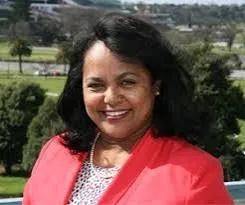
Mrs Elleni Bereded Samuel AM, Executive Manager, Diversity and Inclusion, Great Care Pty Ltd; Board member, The Royal Children’s Hospital and Wellways Australia
‘[The board of The Royal Women’s Hospital] were curious and asked questions, and I was able to tell them something they weren’t thinking about,’ she says.
Although she did not have legal training, she provided CALD perspectives on legal issues, such as cultural expectations around family involvement in decision making.
Her focus on CALD perspectives led to tangible improvements in patient care. For example, she reviewed the composition of the hospital’s Community Advisory Committee, which no longer reflected the changing demographics of the hospital’s patients. The committee provides oversight, serving as the hospital’s eyes and ears to monitor standards and patient experience.
In consultation with the board chair, she appointed a diverse group of new committee members. Through community feedback, the committee informed the board and CEO of emerging needs.
Within 12 months, the hospital engaged a team of in-home interpreters, and patients and families reported that their views were being respected and incorporated into care plans. This built trust and strengthened the hospital’s reputation within CALD communities.
Mrs Bereded Samuel emphasises that increasing board diversity requires recruiting people with relevant experience and providing training if necessary.
It’s also important for boards to set a tone of openness, where board members feel comfortable asking questions and learning from each other, she says.
Board members must read board papers to make informed decisions, oversee performance, manage risks, and meet their governance responsibilities
‘We all receive the same report. Board members from an accounting background may just look for the numbers, clinicals for clinical outcomes, and lawyers for legal issues. But when you look at it as a board, diverse skills and backgrounds come together to help everyone learn from each other,’ she says.
*Mrs Bereded Samuel is a member of the Commission’s Clinical Governance Advisory Committee