National Medicines Symposium
The annual National Medicines Symposium brings together leading organisations, experts, health professionals, consumers and policymakers to discuss and debate key issues around quality use of medicines.
National Medicines Symposium for 2025
The 2025 National Medicines Symposium focused on emerging issues and current challenges surrounding medicines safety in people with diabetes.
The Symposium brought together leading health professionals, policymakers, researchers and individuals with lived experience to discuss practical considerations and approaches to improve the safe and appropriate use of medicines in people living with diabetes.
Email us for more information about the National Medicines Symposium.
2025 Symposium agenda and speakers
Opening session
Watch the full recording of the opening and morning sessions for the 2025 National Medicines Symposium.
Welcome to country
Mr Michael West,
Metropolitan Local Aboriginal Land Council
- YouTube timestamp: 00:00:00
Introduction with NMS 2025 facilitator
Professor Andrew McLachlan AM,
Head of School and Dean, Sydney Pharmacy School, The University of Sydney
Professor Andrew McLachlan AM is a pharmacist, academic and researcher with experience in clinical pharmacology and the quality use of medicines. He is Head of School and Dean at the Sydney Pharmacy School, the University of Sydney. Andrew serves on committees related to human research ethics, medicines safety, medicines evaluation and international anti-doping. He is the current Chair of the Medicines Safety and Quality Advisory Committee at the Australian Commission on Safety and Quality in Health Care.
- YouTube timestamp: 00:01:31
Opening remarks
The Honourable Mark Butler MP,
Minister for Health and Ageing and Minister for Disability and the National Disability Insurance Scheme
Mark Butler is the Minister for Health, Disability and Ageing and Australia’s first Minister for Mental Health in the Gillard Government. Mark has also held the ministries of Housing, Homelessness, Social Inclusion, Climate Change, Water and the Environment. In 2013, he was awarded the Alzheimer’s Disease International Award for Outstanding Global Contribution to the Fight Against Dementia.
- YouTube timestamp: 00:03:23
Welcoming address
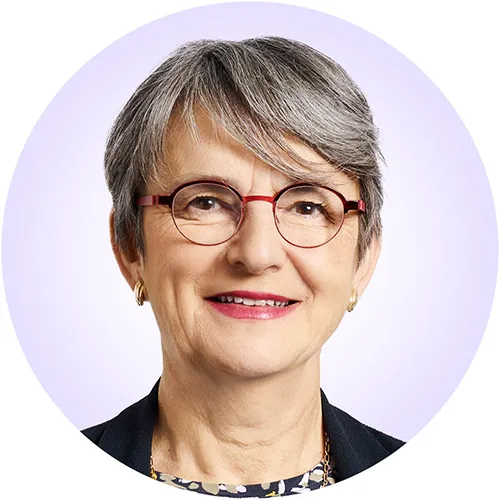
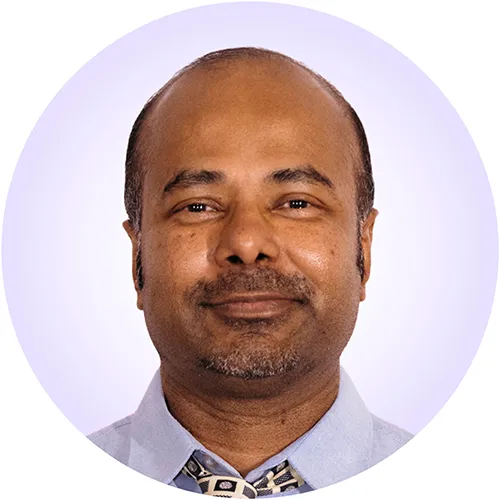
Conjoint Professor Anne Duggan
Chief Executive Officer, Australian Commission on Safety and Quality in Health Care
Anne Duggan is Chief Executive Officer at the Commission and a highly respected gastroenterologist with significant leadership experience in a range of healthcare settings. She is also a Conjoint Professor at School of Medicine and Public Health, University of Newcastle. Anne is passionate about improving health care services through sharing knowledge and collaborating across the health system.
- YouTube timestamp: 00:07:20
Morning session
Diabetes is one of Australia’s most pressing and complex health challenges, impacting millions.
This session set the scene for safe and appropriate use of medicines in people living with diabetes. It explored the management of diabetes medicines in primary care, including considerations for people with or at risk of complications. It also highlighted the challenges and opportunities in strengthening diabetes care in Aboriginal and Torres Strait Islander communities. It emphasised the importance of an integrated model of care in the management of diabetes.
Watch the full recording of the morning and opening sessions for the 2025 National Medicines Symposium.
Diabetes landscape in Australia
With over 20 years of experience in epidemiology focusing on diabetes, cardiovascular disease and obesity, Professor Magliano explored the evolving landscape of diabetes in Australia, highlighting the national trends of incidence, prevalence and cost of diabetes in different population groups.
Professor Dianna Magliano
Head of Diabetes and Population Health, Baker Heart and Diabetes Institute
Professor Dianna Magliano has a BAppSci (Hons), PhD, and a Master of Public Health. Professor Magliano has worked for over 20 years in epidemiology, the majority in diabetes, cardiovascular disease and obesity research. Her more recent work involved examining the association between diabetes and cancer using large datasets.
- YouTube timestamp: 00:11:55
- Diabetes landscape in Australia – National Medicines Symposium 2025
Medicines management in type 1 diabetes
How has the management of type 1 diabetes been influenced by advances in technology? Distinguished Professor David Simmons shared how improved methods for insulin deliveries can improve quality use of medicines in type 1 diabetes. This session also provided insights into self-management skills and emerging issues in type 1 diabetes.
Distinguished Professor David Simmons
Professor of Medicine, Western Sydney University and Chief Medical Officer, Diabetes Australia
Professor Simmons is Chief Medical Officer for Diabetes Australia, Professor of Medicine at Western Sydney University, District Advisor on Diabetes for the South Western Sydney Local Health District and previous Director of the Macarthur Diabetes Endocrinology and Metabolism Service in Sydney. He remains a practising endocrinologist holding weekly diabetes in pregnancy clinics.
Medicines management of type 2 diabetes
With the increasing range of diabetes medicines and their expanding use beyond diabetes, Professor Jonathan Shaw presented findings on diabetes medicines that not only lower glucose levels but also reduce the risk of end-organ damage.
Professor Jonathan Shaw
Deputy Director of Clinical and Population Health, Baker Heart and Diabetes Institute
Professor Jonathan Shaw is Deputy Director at Melbourne’s Baker Heart and Diabetes Institute. He is also an endocrinologist, Chair of the Diabetes Advisory Group to the Australian Institute of Health and Welfare, Council member of the Australian Diabetes Society, and Past-President of the International Diabetes Epidemiology Group.
Complications of diabetes
Evidence-based medicines are key in improving outcomes for people with diabetes, with or at risk of complications. In this session, Professor Stephen Twigg explored how appropriate use of medicines in people living with diabetes can improve or prevent diabetes complications. Professor Twigg also highlighted the importance of individualised glycaemic targets and care to optimise diabetes management.
Professor Stephen Twigg
Head of Endocrinology, Royal Prince Alfred Hospital and Kellion Professor of Endocrinology, Stan Clark Chair in Diabetes and Head of Central Clinical School, The University of Sydney
Professor Twigg has 30 years of adult endocrinologist experience and has supervised many Advanced Trainees and PhD students. He was the Australian Diabetes Society (ADS) Kellion Awardee in 2021 and ADS past-President. With over 250 publications and 15,000 citations collaborating mainly in diabetes and its complications, Professor Twigg delivers leadership in public and private clinics, and urban and rural/regional settings.
- YouTube timestamp: 01:33:02
- Complications of diabetes – National Medicines Symposium 2025
Diabetes in Aboriginal and Torres Strait Islander communities and the role of integrated pharmacists
Aboriginal and Torres Strait Islander people are three times more likely to live with diabetes than non-indigenous Australians. In these communities, diabetes rarely occurs in isolation and the complex need of communities require community-led, multidisciplinary approaches. With over a decade of experience working in an Aboriginal Community Controlled Health Organisation, Dr Jason Agostino and Ms Pippa Travers-Mason shared their experience on how integrated approaches and embedding non-dispensing pharmacists within primary care teams can support culturally safe and high-quality use of medicines.
Dr Jason Agostino
General Practitioner, Gurriny Yealamucka Health Service and Senior Medical Advisor, National Aboriginal Community Controlled Health Organisation
Jason is a General Practitioner and epidemiologist with a focus on the health of Aboriginal and Torres Strait Islander people. He works alongside the Aboriginal and Torres Strait Islander community across policy, practice and research and is an Honorary Associate Professor at Yardhura Walani at the Australian National University.
- YouTube timestamp: 01:52:09
- Diabetes in Aboriginal and Torres Strait Islander communities – National Medicines Symposium 2025
Ms Pippa Travers-Mason
Integrated Clinical Pharmacist, Gurriny Yealamucka Health Service; Clinical Health Services Specialist, Educator and Presenter
Experienced education specialist and Consultant clinical pharmacist with decades of education and experience across both western and alternative/integrative medicine. Skilled in complex chronic disease care, Public Health, Epidemiology, Healthcare, Clinical Research, and Medical Education.
Diabetes Alliance Program Plus - Transformative integrated diabetes care across regional, rural and remote communities
Discover how an integrated, community-focused model of diabetes care has transformed outcomes. In this session, Professor Shamasunder Acharya outlined the journey that led to the establishment of the Diabetes Alliance Program Plus (DAP+) and highlighted initiatives that have proven effective in reducing hospitalisations.
Professor Shamasunder Acharya
Director of Diabetes and Endocrinology and Program Lead for Diabetes Alliance Plus, Hunter New England Health District
Professor Acharya is an endocrinologist who led his team to implement an innovative, cost effective and sustainable Diabetes Alliance program Plus (DAP+). DAP+ has improved the outcomes across thousands of people living with diabetes.
Panel discussion: Management of diabetes medicines in primary care
This panel discussion explored practical approaches for optimising diabetes medicines that support safe, effective and patient-centred care in the primary care setting. Experts discussed challenges arising from the expanding range of treatment options and evolving medicines availability. Key topics included patient-centred care, partnering with people living with diabetes and their families, and strengthening collaboration within multidisciplinary teams. The panel also reflected on the crucial role of general practitioners as care coordinators and identified opportunities for improvement within primary care.
- YouTube timestamp: 02:32:49
Ms Renza Scibila
Diabetes Advocate
Renza Scibilia was diagnosed with type 1 diabetes in 1998. For over twenty years, she has championed person-centred care as an advocate, health writer, presenter, media spokesperson and influential voice in the diabetes community. She has led in shaping healthcare communication, co-designing technology, building peer support, and reducing stigma, grounded in the belief that there should be #NothingAboutUsWithoutUs.
Associate Professor Margaret McGill AM
Nurse Manager and Associate Director, Royal Prince Alfred Hospital Diabetes Centre
Margaret McGill AM is an Associate Professor with the University of Sydney Faculty of Medicine and Health and Associate Director of the Royal Prince Alfred Hospital Diabetes Centre, Sydney. Margaret has a very broad range of experience in developing innovative clinical services for diabetes and medical and health professional education, and is recognised as a global leader in these areas.
Distinguished Professor David Simmons
Professor of Medicine, Western Sydney University and Chief Medical Officer, Diabetes Australia
Professor Simmons is Chief Medical Officer for Diabetes Australia, Professor of Medicine at Western Sydney University, District Advisor on Diabetes for the South Western Sydney Local Health District and previous Director of the Macarthur Diabetes Endocrinology and Metabolism Service in Sydney. He remains a practising endocrinologist holding weekly diabetes in pregnancy clinics.
Ms Kirrily Chambers
Advanced Practice Pharmacist, Credentialled Diabetes Educator, Diabetes Education and Management
Kirrily is an advanced practice pharmacist and was the first credentialled diabetes educator pharmacist in Australia. She spends her time equally between dispensing and working as a diabetes educator. Her passion is insulin pump therapy and mental health in chronic diabetes management.
Dr Gary Deed,
Chair of the Diabetes Specific Interest group, Royal Australian College of General Practitioners; Adjunct Senior Research Fellow, Monash University and General Practitioner
Dr Gary Deed is a General Practitioner dedicated to improving diabetes and obesity care through education, guidelines, research and policy. He chairs the Royal Australian College of General Practitioners (RACGP) Diabetes Specific interest network, edits the RACGP type 2 diabetes guideline and serves on the Australian Diabetes Society’s clinical advisory committee. He is a senior research fellow at Monash University and contributed to the ‘STAREE’ trial.
Afternoon session
This session featured practical strategies for improving diabetes care during key transition periods and explored considerations for managing diabetes medicines across different populations. It highlighted the voices of people with lived experience and emphasised how non-pharmacological strategies can enhance the quality use of medicines for people living with diabetes. The session also discussed challenges and opportunities in improving diabetes care by using continuous glucose monitoring, apps and insulin pumps.
Watch the full recording of the afternoon and closing sessions for the 2025 National Medicines Symposium.
Diabetes management during and after hospital
Acute illness and surgery alter physiology, making diabetes less stable. Associate Professor Spiros Fourlanos shared the importance of modifying diabetes medicines before, during and after hospitalisation to optimise glycaemia. This session also covered considerations for different diabetes medicines, including GLP-1 receptor agonists and SGLT2 inhibitors, during this important period.
Associate Professor Spiros Fourlanos
Head of Diabetes and Endocrinology, The Royal Melbourne Hospital
Associate Professor Spiros Fourlanos is the Director of the Royal Melbourne Hospital’s Diabetes and Endocrinology Department and an honorary Associate Clinical Professor at the University of Melbourne. He completed his PhD at the Walter & Eliza Hall Institute on Latent Autoimmune Diabetes in Adults (LADA). With over 170 peer-reviewed publications, Spiros is a co-stream lead in the University of Melbourne Australian Centre for Accelerating Diabetes Innovations collaborative and co-chair of the Australian Diabetes Society ‘In-Hospital Diabetes’ sub-committee.
Diabetes management during pregnancy
Associate Professor Glynis Ross discussed how the management of diabetes differs during pregnancy, highlighting the different approaches for women with pre-existing diabetes and those with gestational diabetes. This session outlined key points for consideration when managing diabetes during pregnancy, and the need for long-term follow up – particularly for women with gestational diabetes, to reduce the risk of developing type 2 diabetes and other related complications in the future.
Associate Professor Glynis Ross
Visiting Medical Officer in Endocrinology and Lead Endocrinologist of Diabetes in Pregnancy Service, Royal Prince Alfred Hospital
Glynis is Lead Endocrinologist of Royal Prince Alfred Hospital Diabetes and Pregnancy service, a Director on the Board of Diabetes Australia and chairs the National Diabetes Services Scheme Diabetes in Pregnancy Expert Reference Group. She is a Past President of both the Australian Diabetes Society and the Australasian Diabetes in Pregnancy Society.
Management of diabetes during transition of care from paediatrics to adulthood
Many Australians with diabetes must transition from paediatrics to adult care, a high-risk period for reduced health engagement and worsening metabolic and mental health. Professor Alicia Jenkins shared how failures in the transition from paediatrics to adult diabetes care can be minimised through a planned multidisciplinary approach supported by effective communication and regular follow-up. During this session, Professor Jenkins outlined various models of diabetes transition and highlighted resources that can support people living with diabetes and healthcare teams during this transition period.
Professor Alicia Jenkins
Head of Diabetes and Vascular Medicine, Baker Heart and Diabetes Institute
Professor Alicia Jenkins is an adult endocrinologist with over 30 years of experience in diabetes care and research, including 8 years in paediatric diabetes. Her interests include predicting and preventing diabetes complications, type 1 diabetes care and healthcare technology. Alicia is based at the Baker Heart and Diabetes Institute and St. Vincent’s Public Hospital, Melbourne. She is also chair of the International Diabetes Federation Western Pacific Region.
Panel discussion: Diabetes management during transitions of care
This panel discussion focused on practical strategies for improving diabetes care during various transition periods, including hospital discharge, pregnancy and gestational diabetes, and the shift from paediatric to adult services. Experts discussed the challenges and opportunities for achieving a smoother transition of care by focusing on effective communication, collaboration within multidisciplinary teams, and encouraging people living with diabetes to actively ask questions and engage in their care.
- YouTube timestamp: 00:39:12
Associate Professor Spiros Fourlanos
Head of Diabetes and Endocrinology, The Royal Melbourne Hospital
Associate Professor Spiros Fourlanos is the Director of the Royal Melbourne Hospital’s Diabetes and Endocrinology Department and an honorary Associate Clinical Professor at the University of Melbourne. He completed his PhD at the Walter & Eliza Hall Institute on Latent Autoimmune Diabetes in Adults (LADA). With over 170 peer-reviewed publications, Spiros is a co-stream lead in the University of Melbourne Australian Centre for Accelerating Diabetes Innovations collaborative and co-chair of the Australian Diabetes Society ‘In-Hospital Diabetes’ sub-committee.
Associate Professor Glynis Ross
Visiting Medical Officer in Endocrinology and Lead Endocrinologist of Diabetes in Pregnancy Service, Royal Prince Alfred Hospital
Glynis is Lead Endocrinologist of Royal Prince Alfred Hospital Diabetes and Pregnancy service, a Director on the Board of Diabetes Australia and chairs the National Diabetes Services Scheme Diabetes in Pregnancy Expert Reference Group. She is a Past President of both the Australian Diabetes Society and the Australasian Diabetes in Pregnancy Society.
Dr Michael Hancock, Endocrinologist
Living Diabetes & Endocrinology and Royal Perth Hospital
Michael is an endocrinologist living with type 1 diabetes, committed to improving care for others with the condition. He has paediatric clinical and research experience, previously working at Perth Children’s Hospital. He now practices at Living Diabetes & Endocrinology and Royal Perth Hospital, focusing on improving the care and transition of youth living with type 1 diabetes.
Dr Phoebe Holdenson Kimura
Medical Advisor, Australian Commission on Safety and Quality in Health Care and General Practitioner
Dr Holdenson Kimura is a Medical Advisor for the Commission and a general practitioner based in Sydney, working in health policy and health professional education. She works clinically at the Hornsby-Brooklyn General Practice Unit and is passionate about promoting equitable and quality primary care.
Pharmacological considerations for diabetes medicines in specific patient populations
Diabetes affects individuals of all ages at various stages of life, often alongside other chronic conditions, which can make dosing of diabetes medicines challenging. In this session, Professor Jennifer Martin highlighted the importance of developing tailored diabetes medicines management plans that address different individual patient needs and minimise the risk of complications. Professor Martin also emphasised the value of establishing realistic goals of care in partnership with people living with diabetes.
Professor Jennifer Martin
Physician, Clinical Pharmacologist and President of the Royal Australasian College of Physicians
Professor Martin (FRACP, PhD) is a practising general physician and clinical pharmacologist. She is President of the RACP and is the Editor-in-Chief of the ASPET-BPS Journal - Pharmacology Research and Perspectives. Over the last 30 years, she has advised on clinical pharmacology matters for Pharma, Federal and State Health pharmaceutical regulation and reimbursement committees, and is the clinical lead for the NSW State Medicines Formulary Committee. She leads a clinical pharmacology and drug repurposing team at the University of Newcastle.
Living with diabetes: Empowering self-management
With over 30 years of lived experience with type 1 diabetes, Ms Rachel Hicks understands the challenges and complexities of managing her diabetes across different stages of her life. In this session, Ms Hicks shared her invaluable insights on the importance of empowering and supporting people living with diabetes to manage their condition effectively. Drawing on her own experience and learning, Ms Hicks provided practical tools and knowledge for both individuals living with diabetes and healthcare professionals to help foster confidence and engagement in self-management.
Ms Rachel Hicks
PhD Candidate and Research Assistant, Western Sydney University
Rachel has type 1 diabetes and is a Western Sydney University PhD candidate researching lived experiences of diabetes and pregnancy. She has a Breakthrough type 1 diabetes PhD Scholarship, an Australasian Diabetes in Pregnancy Society Novo Nordisk Education Research Grant, is a Member of the Inaugural Consumer Health Forum Australia Assembly and the International Diabetes Federation Blue Circle Voice.
Challenges of diabetes management from a carer’s perspective
Mrs Salā Ronda Thompson, a passionate Diabetes Advocate of a Pasifika background, shared her personal story of supporting her husband from the perspective of a caregiver. Like many members of the Pasifika community, Mrs Thompson faced challenges in understanding medical terminology and comprehending what diabetes truly means. This session offered deep insights into the lived experience of managing diabetes within the Pasifika community, with discussions on the gap in diabetes knowledge caused by mistranslation, and challenges with balancing cultural commitments with health priorities. Mrs Thompson also highlighted opportunities to improve care by engaging cultural and community leadership to co-design meaningful and culturally safe programs.
Mrs Salā Ronda Thompson
Lead Community Activator and Research Assistant, Western Sydney University
Ronda is a Consumer and Cultural Advisor with lived carer experience. She is Lead Community Activator for Western Sydney University’s Pasifika Preventing Diabetes Programme, and published advocate, bridging research and Pasifika communities, driving equity through co-design, cultural leadership, and strategic partnerships that amplify consumer voice in health policy.
Food is medicine - Medical Nutrition Therapy for diabetes management
Is food medicine for people with diabetes? Dr Robyn Barnes discussed how dietary advice by a dietitian that is tailored, structured and complemented with behavioural support can improve an individual’s HbA1c. Dr Barnes also shared practical advice on how to maintain healthy eating habits while staying on a budget.
Dr Robyn Barnes
District Diabetes Coordinator and Senior Diabetes Dietitian, South Western Sydney Local Health District
Dr Robyn Barnes is an Accredited Practising Dietitian and Credentialed Diabetes Educator. She is a Senior Diabetes Dietitian at Bankstown- Lidcombe Hospital Diabetes Centre where she completed her PhD alongside her clinical role. Robyn is also the Diabetes Coordinator for the South Western Sydney Local Health District.
Exercise for the prevention and management of type 2 diabetes
Dr Casey Peiris outlined how exercise not only lowers blood sugar level but also reduces diabetes complications by improving cardiovascular health. In this session, Dr Peiris discussed various types of exercises, recommended doses and safety considerations when prescribing exercise to people living with diabetes.
Dr Casey Peiris
Head of Allied Health Research and Director of Academic and Research Collaborative in Health, The Royal Melbourne Hospital and La Trobe University
Dr Casey Peiris is a physiotherapist and Associate Professor, holding a joint position between La Trobe University and the Royal Melbourne Hospital. As a clinician, she worked in chronic disease management, and now her academic expertise is also in physical activity for chronic disease management alongside health services research.
Optimising diabetes care by addressing and supporting psychological health
Mental health screening and treatment are often not prioritised in diabetes care, but people often feel weighed down by living with diabetes which then makes it harder to look after diabetes. In this session, Ms Sarah Lam outlined the different mental health conditions associated with diabetes and demonstrated how concerns related to suboptimal medication-taking can lead to emotional distress. Clinicians are encouraged to screen for and address psychological distress as part of routine diabetes care and shared practical strategies that can be applied in everyday practices.
Ms Sarah Lam
Senior Clinical Psychologist, Bankstown Hospital Diabetes Centre
Sarah Lam is the Senior Clinical Psychologist at Bankstown Hospital Diabetes Centre, and has over twenty years of experience in public and private diabetes settings. She regularly presents to healthcare professionals regarding the daily challenges of living with diabetes, and how diabetes clinicians can support psychological wellbeing.
Panel discussion: Diabetes technology - continuous glucose monitors (CGM), apps and insulin pumps
This panel discussion focused on the considerations for the use of continuous glucose monitoring (CGM), apps and insulin pumps, and how they transform diabetes care, improve patient outcomes and shape the future of diabetes management. Experts explored themes such as access, capability and equity to diabetes technologies, as well as safety issues outside working hours and during hospital admissions.
- YouTube timestamp: 02:27:00
Ms Rachel Hicks
PhD Candidate and Research Assistant, Western Sydney University
Rachel has type 1 diabetes and is a Western Sydney University PhD candidate researching lived experiences of diabetes and pregnancy. She has a Breakthrough type 1 diabetes PhD Scholarship, an Australasian Diabetes in Pregnancy Society Novo Nordisk Education Research Grant, is a Member of the Inaugural Consumer Health Forum Australia Assembly and the International Diabetes Federation Blue Circle Voice.
Associate Professor Shane Hamblin
Head of Endocrinology and Diabetes, Western Health, Melbourne
Shane is the Head of Endocrinology & Diabetes at Western Health, Melbourne, Associate Professor at the University of Melbourne and Deakin University, the current President of the Endocrine Society of Australia and a member of the Pharmaceutical Benefits Advisory Committee (PBAC).
Dr Lee Fong
Medical Advisor, Australian Commission on Safety and Quality in Health Care and General Practitioner
Dr Lee Fong is a Medical Advisor for the Commission and general practitioner based in the Hunter region, working in clinical governance, service development, guideline development and advocacy roles. Dr Fong has a particular interest in developing and facilitating connections, collaboration and innovation across healthcare organisations, with the goal of realising system changes that will improve healthcare equity.

Closing session
Watch the full recording of the closing and afternoon sessions for the 2025 National Medicines Symposium.
Closing address
Professor Christine Kilpatrick AO
Board Chair, Australian Commission on Safety and Quality in Health Care
Professor Christine Kilpatrick AO is the Board Chair of the Australian Commission on Safety and Quality in Health Care. She has extensive clinical, academic and hospital administration experience and is recognised for building strong clinical governance and safety culture. Her previous roles included Chief Executive at the Royal Children’s Hospital, Chief Medical Officer at Melbourne Health, and Executive Director at Royal Melbourne Hospital.
- YouTube timestamp: 02:51:16
Close with NMS 2025 facilitator
Professor Andrew McLachlan AM,
Head of School and Dean, Sydney Pharmacy School, The University of Sydney
Professor Andrew McLachlan AM is a pharmacist, academic and researcher with experience in clinical pharmacology and the quality use of medicines. He is Head of School and Dean at the Sydney Pharmacy School, the University of Sydney. Andrew serves on committees related to human research ethics, medicines safety, medicines evaluation and international anti-doping. He is the current Chair of the Medicines Safety and Quality Advisory Committee at the Australian Commission on Safety and Quality in Health Care.
- YouTube timestamp: 02:53:43
National Medicines Symposium for 2024
2024 Symposium agenda and speakers
Opening session
Watch the full recording of the opening session and Session 1: Challenges of medicine safety in an ageing population for the 2024 National Medicines Symposium.
Welcome to Country
Ms Yvonne Weldon AM
Metropolitan Local Aboriginal Land Council
- YouTube timestamp: 00:00
Introduction with NMS 2024 Facilitator
Ms Tegan Taylor, NMS Facilitator
Health and Science Journalist
Tegan Taylor is a multi-award-winning health and science reporter for the ABC. She hosts Radio National’s Health Report, Quick Smart and What’s That Rash? She’s received a Walkley Award, the Eureka Prize for Science Journalism and her work has appeared in the anthology The Best of Australian Science Writing.
- YouTube timestamp: 04:46
Opening remarks
Hon Mark Butler MP
Minister for Health and Aged Care
Mark Butler is the Minister for Health and Aged Care. He served as Minister for Ageing and Australia’s first Minister for Mental Health in the Gillard Government. Mark has also held the ministries of Housing, Homelessness, Social Inclusion, Climate Change, Water and the Environment. In 2013 he was awarded the Alzheimer’s Disease International Award for Outstanding Global Contribution to the Fight Against Dementia.
- YouTube timestamp: 06:06
Welcoming address
Conjoint Professor Anne Duggan
Chief Executive Officer, Australian Commission on Safety and Quality in Health Care
Anne Duggan is Chief Executive Officer at the Commission and a highly respected gastroenterologist with significant leadership experience in a range of healthcare settings. She is also a Conjoint Professor at the School of Medicine and Public Health, University of Newcastle. Anne is passionate about improving health care services through sharing knowledge and collaborating across the health system.
- YouTube timestamp: 09:04
Session 1: Challenges of medicine safety in an ageing population
Medicine use and prescribing practices in older Australians are often complex and challenging.
This session set the scene for the appropriate use of medicines and medicine safety in an ageing population. It focused on the importance of person-centred prescribing as part of appropriate care for an ageing population. It highlighted the complexities and challenges facing the safe and quality use of medicines for an ageing population including multimorbidity, polypharmacy, prescribing high-risk medicines and the goals of care as people age. It emphasised the importance of deprescribing and the models for medicines management and review in older Australians.
Watch the full recording of Session 1: Challenges of medicine safety in an ageing population and the opening session for the 2024 National Medicines Symposium.
Quality use of medicines in Australia
Professor Libby Roughead, an internationally recognised expert in medicines use, explored the evolving landscape of quality use of medicines in Australia. Reflecting on decades of experience, Professor Roughead highlighted key lessons from the history of quality use of medicines and outlined how healthcare providers can adapt to the challenges of an ageing population in the 21st Century.
Professor Libby Roughead
Director of Quality Use of Medicines and Pharmacy Research Centre, University of South Australia
Libby Roughead’s research focuses on improving use of medicines. Libby is Director of the Quality Use of Medicines and Pharmacy Research Centre, a member of the Australian Government Drug Utilisation Sub-Committee and the Australian Commission on Safety and Quality in Health Care Medication Safety and Quality Advisory Committee.
Setting the scene: WHO Global Patient Safety Challenge – Medication Without Harm – Australia’s response – 2023 status report
How far have we come in addressing the challenge of reducing medication-related harm in Australia? Mr Steve Waller, Senior Advisor for the Commission’s WHO Medication Without Harm initiative shared the latest Australian Status Report, which outlined critical achievements since 2020 and identified priorities for future action. This session provided a comprehensive look at the practical steps being taken to reduce harm by 50% by 2023 and offered insights into the opportunities for healthcare providers, policymakers, and practitioners to contribute to further improvements in medication safety.
Mr Steve Waller, Senior Advisor
Medication Without Harm, Australian Commission on Safety and Quality in Health Care
Steve Waller is a pharmacist and consultant with extensive Australian and international experience in clinical trials management, regulations, product registration, supply chain, finance and general management. Since 2018 he has consulted to the Commission on safe and quality use of medicines, developing Australia's response to WHO Global Patient Safety Challenge - Medication Without Harm, and other reports addressing appropriate prescribing.
Clinician’s perspective on managing medicines for an ageing population
With an ageing population, managing medication has never been more complex or crucial. Professor Jennifer Martin, physician and clinical pharmacologist, provided a clinician's perspective on the risks and challenges of prescribing for older adults. This session explored how multimorbidity and polypharmacy could lead to serious adverse events, hospitalisations, and long-term harm. Professor Martin shared real-world tools and strategies that doctors could use to safely prescribe medicines, adjust doses, and avoid harmful drug interactions, thereby ensuring better health outcomes for older patients.
Professor Jennifer Martin
Physician, Clinical Pharmacologist and President of the Royal Australasian College of Physicians
Professor Martin (FRACP, PhD) is a practising general physician and clinical pharmacologist. She is President of the RACP and is the Editor-in-Chief of the ASPET-BPS Journal - Pharmacology Research and Perspectives. Over the last 30 years, she has advised on clinical pharmacology matters for Pharma, Federal and State Health pharmaceutical regulation and reimbursement committees, and is the lead for the NSW State Medicines Formulary Committee. She leads a clinical pharmacology and drug repurposing team at the University of Newcastle.
Panel Discussion – How are the challenges of medication safety for an ageing population being addressed?
- YouTube timestamp: 57:41
Professor Libby Roughead
Director of Quality Use of Medicines and Pharmacy Research Centre, University of South Australia
Libby Roughead’s research focuses on improving use of medicines. Libby is Director of the Quality Use of Medicines and Pharmacy Research Centre, a member of the Australian Government Drug Utilisation Sub-Committee and the Australian Commission on Safety and Quality in Health Care Medication Safety and Quality Advisory Committee.
Mr Steve Waller, Senior Advisor
Medication Without Harm, Australian Commission on Safety and Quality in Health Care
Steve Waller is a pharmacist and consultant with extensive Australian and international experience in clinical trials management, regulations, product registration, supply chain, finance and general management. Since 2018 he has consulted to the Commission on safe and quality use of medicines, developing Australia's response to WHO Global Patient Safety Challenge - Medication Without Harm, and other reports addressing appropriate prescribing.
Professor Jennifer Martin
Physician, Clinical Pharmacologist and President of the Royal Australasian College of Physcians
Professor Martin (FRACP, PhD) is a practising general physician and clinical pharmacologist. She is President of the RACP and is the Editor-in-Chief of the ASPET-BPS Journal - Pharmacology Research and Perspectives. Over the last 30 years, she has advised on clinical pharmacology matters for Pharma, Federal and State Health pharmaceutical regulation and reimbursement committees, and is the lead for the NSW State Medicines Formulary Committee. She leads a clinical pharmacology and drug repurposing team at the University of Newcastle.
Session 2: Deprescribing
Optimal medication management in older people requires a multifaceted and collaborative approach with a variety of strategies and interventions to support appropriate medicines use.
This session explored practical ways to reduce the risks of medicine use for older Australians. The session featured safe and appropriate approaches to deprescribing of medicines. It highlighted practical guidelines and tools for identifying and safely deprescribing potentially inappropriate medicines. It also focused on the burden of inappropriate polypharmacy from a consumer perspective and highlighted approaches for engaging and empowering patients in decision-making.
Watch the full recording of Session 2: Deprescribing for the 2024 National Medicines Symposium.
Approaches to deprescribing of medicines
Deprescribing is an essential process aimed at improving the safety of Australians who take multiple medications. In this session, Professor Sarah Hilmer AM and Dr Lisa Kouladjian O'Donnell, leaders in clinical pharmacology and the Australian Deprescribing Network, explored practical approaches to deprescribing medicines when the risks outweighed the benefits. Attendees learned why deprescribing was crucial for older adults, how clinicians can initiate conversations, and the strategies used to safely reduce medication burden while ensuring patient well-being. Whether they were GPs, pharmacists, or other healthcare professionals, participants left the session equipped with tools to apply deprescribing in their practice.
- YouTube timestamp: 00:00
- Approaches to deprescribing of medicines - National Medicines Symposium 2024
Professor Sarah Hilmer AM
Head of Department of Clinical Pharmacology and Geriatrician, Royal North Shore Hospital and Conjoint Professor of Geriatric Pharmacology, Northen Clinical School, Faculty of Medicine and Health, The University of Sydney
Sarah Hilmer (BScMed(Hons) MBBS(Hons) FRACP PhD FAHMS) is head of department of Clinical Pharmacology and senior staff specialist geriatrician at Royal North Shore Hospital; Conjoint Professor of Geriatric Pharmacology at Sydney University; and leads Ageing and Pharmacology Laboratory at the Kolling. Member of the Order of Australia (AM) for service to clinical and geriatric pharmacology.
Dr Lisa Kouladjian O’Donnell
Lecturer, School of Pharmacy, Faculty of Medicine and Health, The University of Sydney and Deputy Chair, Australian Deprescribing Network
Dr Kouladjian O’Donnell is a Lecturer and credentialled pharmacist, School of Pharmacy, Faculty of Medicine and Health, The University of Sydney. Lisa is currently the Deputy Chair of the Australian Deprescribing Network, and leads a research program that aims to optimise medicine use in older adults.
Polypharmacy Consumer Perspective
Mr Bronte Parkin, a passionate Dementia Advocate, shared his personal story of managing polypharmacy from the perspective of a caregiver. After his wife's adverse reaction to psychotropic medicines led to her admission to residential care, Bronte faced the challenge of deprescribing and implementing non-pharmacological interventions. This session offered invaluable insight into the lived experience of navigating medication management in dementia care, and provided practical knowledge of the new standards of care. Healthcare professionals working with patients and families affected by dementia gained a better understanding of how to integrate compassionate care with safe prescribing practices.
Mr Bronte Parkin
Dementia Advocate, Dementia Australia
Bronte cared for his wife, who had younger onset dementia, for 13 years - her final three in residential aged care. As Dementia Australia’s nominated advocate, he participated in development of the Clinical Care Standard of the “Strengthened Aged Care Quality Standards” and the Commission’s Clinical Care Standard on use of Psychotropic Medicines.
- YouTube timestamp: 16:34
- Polypharmacy Consumer Perspective - National Medicines Symposium 2024
Challenges of quality use of medicines in rural settings
Professor May AM provided a brief typology of the services that were available in rural and remote settings and the intersections this has with quality use of medicines and the opportunities for general practice.
Professor Jenny May AM
National Rural Health Commissioner
Professor Jenny May AM has been passionate about rural health since her first rural medical student placement in 1980 and then as a trainee rural doctor at Tamworth Hospital in 1985.
Professor May holds fellowships with The Royal Australasian College of General Practitioners and the Australian College of Rural and Remote Medicine and has extensive experience in clinical practice, research, education and rural health advocacy. In 2016, she was awarded a Member of the Order of Australia (AM) for significant service to community health in rural and regional areas as a general practitioner, a member of professional medical groups, and an educator.
Panel Discussion – Medicine-related harm and the importance of safe and appropriate use of medicines
This panel discussion focused on practical strategies and communication skills for engaging patients in meaningful conversations about deprescribing. Experts shared techniques for addressing patient concerns, building trust, and encouraging shared decision-making to support safe and effective medication management.
- YouTube timestamp: 46:03
Dr Lisa Kouladjian O’Donnell
Lecturer, School of Pharmacy, Faculty of Medicine and Health, The University of Sydney and Deputy Chair, Australian Deprescribing Network
Dr Kouladjian O’Donnell is a Lecturer and credentialled pharmacist, School of Pharmacy, Faculty of Medicine and Health, The University of Sydney. Lisa is currently the Deputy Chair of the Australian Deprescribing Network, and leads a research program that aims to optimise medicine use in older adults.
Mr Bronte Parkin
Dementia Advocate, Dementia Australia
Bronte cared for his wife, who had younger onset dementia, for 13 years - her final three in residential aged care. As Dementia Australia’s nominated advocate, he participated in development of the Clinical Care Standard of the “Strengthened Aged Care Quality Standards” and the Commission’s Clinical Care Standard on use of Psychotropic Medicines.
Professor Jenny May AM
National Rural Health Commissioner
Professor Jenny May AM has been passionate about rural health since her first rural medical student placement in 1980 and then as a trainee rural doctor at Tamworth Hospital in 1985.
Professor May holds fellowships with The Royal Australasian College of General Practitioners and the Australian College of Rural and Remote Medicine and has extensive experience in clinical practice, research, education and rural health advocacy. In 2016, she was awarded a Member of the Order of Australia (AM) for significant service to community health in rural and regional areas as a general practitioner, a member of professional medical groups, and an educator.
Dr Phoebe Holdenson Kimura
Medical Advisor, Australian Commission on Safety and Quality in Health Care and General Practitioner
Dr Holdenson Kimura is a Medical Advisor for the Commission and a general practitioner based in Sydney, working in health policy and health professional education. She works clinically at the Hornsby-Brooklyn General Practice Unit and is passionate about promoting equitable and quality primary care.
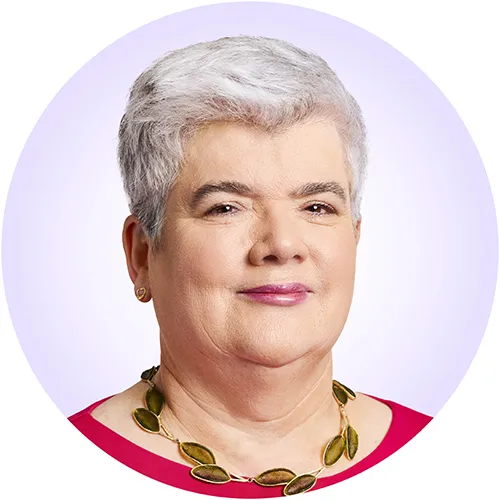
Session 3: Digital tools for medicine safety
Digital health tools and improved digital literacy can empower older Australians and healthcare providers to manage medications more safely and effectively.
This session focused on innovative tools and advancements in digital health data aimed at improving medicine safety in older people. It highlighted how digital health supported medication management and showcased the Commission’s work in this area, including the Medication Management at Transitions of Care Framework.
Watch the full recording of the Session 3: Digital tools for medicine safety and the closing session for the 2024 National Medicines Symposium.
Medication Management at Transitions of Care Stewardship Framework
Medication errors and miscommunication during transitions of care are a significant risk to patient safety. In this session, Ms Natalie Kahwajy introduced attendees to the new national Medication Management at Transitions of Care Stewardship Framework, that has been developed by the Commission to address this critical issue. This framework was designed to support healthcare providers in improving medication safety and continuity of care during transitions, such as hospital discharge or moving between care settings. Attendees gained an understanding of how to implement this framework in their organisations to reduce harm and enhance patient outcomes.
Ms Natalie Kahwajy
Senior Project Officer Digital Health, Australian Commission on Safety and Quality in Health Care and Pharmacist
Natalie works with the Digital Health team at the Commission on national projects that support the safety and quality of digital health, including digital medicines and integrated systems. Natalie is a hospital pharmacist by background and has worked as a Senior Antimicrobial Stewardship pharmacist. Prior to her current role, she was a Quality and Accreditation Manager within Southwestern Sydney Local Health District, overseeing accreditation, quality improvement and risk management processes.
Human factors and digital health
Professor Melissa Baysari demystified the concept of Human Factors, a scientific approach to designing technology that fits the needs of both users and healthcare organisations. Attendees learned how these insights can enhance the usability of digital health tools, minimised errors, and improved patient safety. With real-world examples from her research, Melissa showed how optimising the human-technology relationship was key to better healthcare outcomes and smoother clinical workflows.
Professor Melissa Baysari
Professor Health Research, The University of Sydney
Melissa leads the Human Factors Digital Health Research Group at the University of Sydney. She is internationally recognised for her research on evaluation and optimisation of health technologies to support healthcare work and improve patient safety, with a particular focus on technologies to support medication management.
- YouTube timestamp: 09:57
- Human factors and digital health - National Medicines Symposium 2024
Managing medicines safety using digital tools in rural and remote settings
How can digital tools bridge the gaps in fragmented healthcare systems and improve medication safety? In this session, Mr Michael Bakker shared practical insights into the role of digital solutions in ensuring continuity of care across a patient's journey. Attendees discovered how reducing informational gaps led to fewer medication errors, improved patient safety, and contributed to a more efficient healthcare system. Whether attendees were involved in clinical practice or healthcare policy, this session offered actionable strategies for enhancing medicine safety through digital innovation.
Mr Michael Bakker
Chief Pharmacy Information Officer, SA Pharmacy, South Australia
In addition to his role in SA Health, Michael is the chair of the Pharmacy Informatics group within the Advanced Pharmacy Australia and a PhD candidate with Flinders University. He is clinical lead for AutoMedic which is a Medical Research Future Fund (MRFF) project to transform complex medicines review processes using AI.
Digital tools for medicines management in Aboriginal Community Controlled Health Organisations
This presentation on digital tools for medicines management in Aboriginal Community Controlled Health Organisations shared practical examples of where these tools worked work well; and suggested improvements. The learnings were applicable to all settings where medicines featured in the patient journey, including general practice, specialists, hospitals and pharmacies.
Ms Alice Nugent, Pharmacist Advisor
Medicines Policy and Programs, National Aboriginal Community Controlled Health Organisation
Alice Nugent has worked as a pharmacist in general practice for nearly 10 years. She collaborates with the National Aboriginal Community Controlled Health Organisation to guide medicine policy and programs. Alice advocates for including more pharmacists in Aboriginal Community Controlled Health Organisations (ACCHOs). She contributes to projects and policies focused on improving medicine access and ensuring the safe use of medications for Aboriginal and Torres Strait Islander people. Additionally, she promotes the use of digital tools such as electronic prescriptions, telehealth, My Health Record, Real-Time Prescription Monitoring, and secure messaging.
Panel Discussion – Digital tools for the safe and appropriate use of medicines
This panel discussion focused on digital tools and advances and how these can be used to support safe medication management in ageing Australians. Experts explored innovative digital health tools that facilitated seamless communication and medication management across varied settings, including during transitions of care from hospital to home and the interfaces with aged care. Additionally, the conversation addressed the importance of enhancing workforce and consumer digital literacy, highlighting tools and resources that empowered both healthcare professionals and patients to navigate digital platforms effectively. By fostering a collaborative dialogue, the panel identified digital solutions that enhance medication safety and improved overall patient health outcomes.
- YouTube timestamp: 39:11
Professor Melissa Baysari
Professor Health Research, The University of Sydney
Melissa leads the Human Factors Digital Health Research Group at the University of Sydney. She is internationally recognised for her research on evaluation and optimisation of health technologies to support healthcare work and improve patient safety, with a particular focus on technologies to support medication management.
Mr Michael Bakker
Chief Pharmacy Information Officer, SA Pharmacy, South Australia
In addition to his role in SA Health, Michael is the chair of the Pharmacy Informatics group within the Advanced Pharmacy Australia and a PhD candidate with Flinders University. He is clinical lead for AutoMedic which is a Medical Research Future Fund (MRFF) project to transform complex medicines review processes using AI.
Ms Kate Oliver
Program Manager Digital Health, Australian Commission on Safety and Quality in Health Care
Kate is the Program Manager for the medicines arm of the Commission’s Digital Health team. She leads the program strategy and execution, supporting the development and ongoing stewardship of nationally standardised tools, indicators and guidance used in the Australian healthcare system to manage medicines safely. Kate has extensive experience in electronic medication management and has managed several national digital medicines programs in partnership with the Australian Government Department of Health and Aged Care.
Closing session
Watch the full recording of the closing session and Session 3: Digital tools for medicine safety for the 2024 National Medicines Symposium.
Closing Address
Professor Christine Kilpatrick AO, Board Chair
Australian Commission on Safety and Quality in Health Care
Professor Christine Kilpatrick AO is the Board Chair of the Australian Commission on Safety and Quality in Health Care. She has extensive clinical, academic, and hospital administration experience and is recognised for building strong clinical governance and safety culture. Her previous roles include Chief Executive at the Royal Children’s Hospital, Chief Medical Officer at Melbourne Health, and Executive Director at Royal Melbourne Hospital.
- YouTube timestamp: 1:10:31
Close with NMS 2024 Facilitator
Ms Tegan Taylor, NMS Facilitator
Health and Science Journalist
Tegan Taylor is a multi-award-winning health and science reporter for the ABC. She hosts Radio National’s Health Report, Quick Smart and What’s That Rash? She’s received a Walkley Award, the Eureka Prize for Science Journalism and her work has appeared in the anthology The Best of Australian Science Writing.
- YouTube timestamp: 1:12:25
Lightning talks
The Lightning Talks delved into the pivotal role of pharmacists in improving medication safety and patient care in aged care settings.
| Presentations | |
|---|---|
| Medicine safety for older Australians: Pharmacists in aged care | A/Professor Fei Sim, National President, Pharmaceutical Society of Australia and a Associate Professor in the Curtin Medical School at Curtin University and a practising pharmacist. |
| Use of Clinical Risk Assessment Tools: A multidisciplinary approach | Ms Gauri Godbole, Specialist Pharmacist, Aged and Palliative care, Gosford Hospital and Chair, Specialty Practice Leadership Committee in Geriatric Medicine, Advanced Pharmacy Australia. |