National Medicines Symposium for 2026
The 2026 National Medicines Symposium, held on 11 November, brought together clinicians, consumers, researchers and policymakers to explore practical approaches to medicines stewardship and improving safe and quality use of medicines across Australia.
Under the theme ‘Medicines stewardship: safer use starts with all of us’, the Symposium explored medicines stewardship across acute care, primary care and aged care, with presentations and panel sessions covering antimicrobial stewardship, digital health, medicines shortages, consumer experience and medicines stewardship for priority populations.
Opening session
Opening session
Watch the full recording of the opening and morning sessions for the 2026 National Medicines Symposium
Introduction with NMS 2026 facilitator

Ms Hediyeh Vahdat
Chief Executive Officer, Linéaire Projects; Senior Clinical Pharmacist, Royal North Shore Hospital; Adjunct Senior Lecturer, UNSW; Senior Academic, University of Sydney
Hediyeh Vahdat is a nationally experienced health executive, pharmacist and academic with more than 25 years’ experience spanning critical care, health system leadership, research and transformation. She is the CEO of Linéaire Projects, a practicing Senior Clinical Pharmacist at the Royal North Shore Hospital, and an academic with the University of Sydney and UNSW.
- YouTube timestamp: 00:01:21
Opening address

The Honourable Mark Butler MP
Minister for Health and Ageing and Minister for Disability and the National Disability Insurance Scheme
Mark Butler is the Minister for Health, Disability and Ageing and served as Australia’s first Minister for Mental Health in the Gillard Government. Mark has also held the ministries of Housing, Homelessness, Social Inclusion, Climate Change, Water and the Environment. In 2013, he was awarded the Alzheimer’s Disease International Award for Outstanding Global Contribution to the Fight Against Dementia.
- YouTube timestamp: 00:02:45
Welcoming address
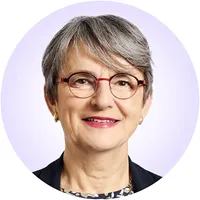
Conjoint Professor Anne Duggan
Chief Executive Officer, Australian Commission on Safety and Quality in Health Care
Conjoint Professor Anne Duggan is Chief Executive Officer at the Commission and is a highly respected gastroenterologist with significant leadership experience in a range of healthcare settings. She is also Conjoint Professor at School of Medicine and Public Health, University of Newcastle. Anne is passionate about improving health care services through sharing knowledge and collaborating across the health system.
- YouTube timestamp: 00:05:53
Morning session
Morning session
Watch the morning session from the National Medicines Symposium 2026 and explore practical approaches to improving the safe and quality use of medicines across Australia.
This session brought together clinicians, researchers, policymakers and people with lived experience to discuss medicines use, medicines-related harm and opportunities to strengthen medicines stewardship across the healthcare system.
Watch the full recording of the morning and opening sessions for the 2026 National Medicines Symposium
Medicines stewardship as a shared responsibility: The state of medicines use, harm, and opportunities for improvement
Medicines play a vital role in improving health and wellbeing, but they can also cause harm when not used safely and effectively. Dr Jay Ramanathan explored the current state of medicines use in Australia, the impact of medicines-related harm on consumers and the health system, and the opportunities to improve outcomes through better stewardship.

Dr Jay Ramanathan
Senior Staff Specialist, Clinical Pharmacology and General Medicine, Liverpool and Royal Prince Alfred Hospital
Dr Ramanathan is a consultant physician with a background in clinical pharmacology, geriatrics and general medicine. His interest spans quality use of medicines and pharmacovigilance. He is also a current member of the Australian Prescriber – Therapeutics Guidelines Editorial Advisory Committee and a member of the NSW Clinical Excellence Commission (CEC) Medication Safety and Medicines Formulary Committee.
- YouTube timestamp: 00:09:20
- Presentation from Dr Jay Ramanathan on Medicines Stewardship
Advancing antimicrobial stewardship in every care setting
Antimicrobial resistance is one of the greatest challenges facing healthcare today, threatening the effectiveness of life-saving treatments. Professor Jason Roberts explored antimicrobial stewardship and the actions needed to optimise antimicrobial use across hospitals, primary care, aged care and community settings. He highlighted practical opportunities to improve prescribing, reduce preventable harm, preserve the effectiveness of existing treatments, and strengthen stewardship efforts across the healthcare system to improve patient outcomes now and into the future.
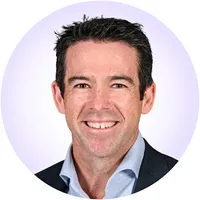
Professor Jason Roberts
Pharmacist, Metro North Health; NHMRC Leadership Fellow, The University of Queensland and Chair of the Commission’s Antimicrobial Stewardship Advisory Committee
Professor Jason Roberts is Deputy Director of the Frazer Institute at the University of Queensland and is Interim Director of the Herston Infectious Diseases Institute (HeIDI). Academically he is an Australian National Health and Medical Research Council Leadership Fellow and a Fellow of the Australian Academy for Health and Medical Sciences. Clinically, he is a critical care pharmacist at Royal Brisbane and Women’s Hospital.
Introduction to the National Aboriginal Community Controlled Health Organisation (NACCHO) Antimicrobial Stewardship (AMS) Academy
Antimicrobial stewardship is essential to ensuring antibiotics remain effective for future generations while supporting safe, high-quality care today. Dr Thomas Mylne introduced the NACCHO Antimicrobial Stewardship (AMS) Academy and highlighted its role in strengthening culturally safe, evidence-based antimicrobial use across Aboriginal Community Controlled Health Services.

Dr Thomas Mylne
NACCHO AMS Academy Advisory Group Member and Ophthalmology Registrar, The Royal Australian and New Zealand College of Ophthalmologists (RANZCO) Vocational Training Program
Tom is a proud Gangalu man from Central Queensland. His career began in pharmacy, five years as a Pharmacy Officer in the RAAF, before he returned to study his MD/MPH at the University of Melbourne. He completed his junior doctor years at the RBWH before heading back to Melbourne to begin his specialist training.
- YouTube timestamp: 00:33:29
- Presentation from Dr Thomas Mylne on the NACCHO AMS Academy
Lightning talk: Penicillin allergy delabelling
Did you know that most people who believe they are allergic to penicillin are not actually allergic? Professor Jason Trubiano explored the importance of penicillin allergy delabelling and its role in improving patient care, antimicrobial stewardship, and health outcomes.

Professor Jason Trubiano
Infectious Diseases Physician, Head of the Department of Infectious Diseases, University of Melbourne and Director of the Department of Infectious Diseases and Immunology, Austin Health
Professor Trubiano is an infectious diseases physician and NHMRC supported clinician research in drug allergy and antimicrobial stewardship from the University of Melbourne (Doherty Institute) and Austin Health. Professor Trubiano leads the international Network of Antibiotic Allergy Nations (iNAAN) and other global international trials to implement antibiotic and drug allergy interventions into practice.
- YouTube timestamp: 00:40:05
- Presentation from Professor Jason Trubiano on Penicillin Allergy Delabelling
Panel discussion: The role of the multidisciplinary team in promoting medicines stewardship in the acute care setting
This panel discussion explored how doctors, pharmacists, nurses and consumers can work together to optimise the safe and effective use of medicines in acute care settings. Through practical insights and real-world examples, the panel discussed strategies to reduce medicines-related harm, improve patient outcomes, strengthen communication across care teams, and embed stewardship principles into everyday clinical practice.
- YouTube timestamp: 00:49:06
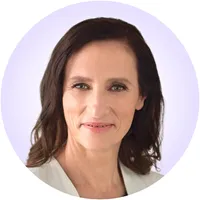
Dr Hester Wilson
General Practitioner and Addiction Medicine Specialist, Chair of the specific interest group in addiction, The Royal Australian College of General Practitioners (RACGP)
Dr Hester Wilson is a General Practitioner and addiction specialist and Chair of the RACGP Addiction Specialist Interest Group. She is the Chief Addiction Specialist for NSW, the Clinical Director for Murrumbidgee Drug and Alcohol Service for Murrumbidgee Local Health District and a GP in private practice.

Dr Emma Leitinger
Haematologist and Medical Lead of Anticoagulation Stewardship, Monash Health
Dr Emma Leitinger is a clinical and laboratory haematologist and Medical Lead of Anticoagulation Stewardship at Monash Health. She is undertaking a PhD focused on optimising anticoagulant use in clinical practice and is an active researcher with numerous presentations and publications on anticoagulant stewardship, monitoring, thrombosis and patient safety.

Ms Elizabeth Su
Pharmacist and Senior Project Officer, Medicines Optimisation Service, Austin Health and Professional Officer, Victorian Therapeutics Advisory Group (VicTAG)
Elizabeth leads medicines stewardship initiatives at Austin Health, with a special interest in psychotropic stewardship. Her team was recognised with a Clinical Care Standards Excellence Award in 2025 for dedication to best practice in opioid analgesic stewardship. Elizabeth also authored the first Australian framework for anticoagulation stewardship programs with VicTAG’s expert advisory group.
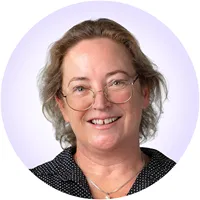
Mrs Kelly Roberts
Endorsed Nurse Practitioner, Crowley Care, Ballina
Kelly qualified as an Endorsed Nurse Practitioner in 2017, with a specialty focus on older persons, palliative care and chronic disease. Kelly works collaboratively within a multidisciplinary team including medical specialists, pharmacists and General Practitioners to coordinate and manage health, medical and nursing care for older people in residential aged care and in the community.
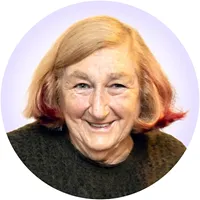
Dr Janney Wale
Consumer advocate
Janney is an independent consumer advocate with lived experience of health conditions and working at an international, national and state level. Her passion is safe, effective and timely person-centred care within an integrated multidisciplinary team approach.
Partnering for medicines stewardship: Living with chronic pain and empowering self-management
Chronic pain can have a significant impact on physical health, emotional wellbeing, and quality of life, often requiring a long-term and personalised approach to care. Ms Kimberley Grima shared her personal perspective on living with chronic pain and the importance of partnering with healthcare professionals to support safe and effective medicines use. Drawing on lived experience, she explored the role of self-management and shared decision-making in managing chronic pain, highlighting how empowered consumers are key partners in medicines stewardship and better health outcomes.
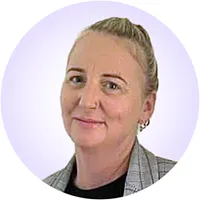
Ms Kimberley Grima
Peer Mentor Manager and Facilitator, Chronic Pain Australia
Kimberley is a proud Wiradjuri woman, consumer representative and Peer Mentor Manager and Facilitator at Chronic Pain Australia. She is a Board Member for the Agency for Clinical Innovation and Health Consumer NSW and serves on multiple Illawarra Shoalhaven Local Health District executive steering committees. She is an advocate for lived experience, consumer partnership, codesign and health system improvements.
- YouTube timestamp: 01:31:09
- Presentation from Ms Kimberley Grima on Living with Chronic Pain
Panel discussion: The role of the multidisciplinary team in promoting medicines stewardship in the primary care and aged care setting
Effective medicines stewardship in primary care and aged care requires a team-based approach that places the patient at the centre of care. This panel discussion explored how general practitioners, pharmacists, nurses, aged care providers, consumers and other healthcare professionals can work together to support the safe and quality use of medicines. The panel discussed practical strategies to reduce medicines-related harm, optimise prescribing and deprescribing, improve transitions of care, and empower consumers to be active partners in decisions about their medicines.
- YouTube timestamp: 02:05:26
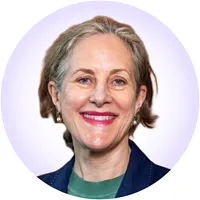
Professor Katharine Wallis
General Practitioner and Head of General Practice at The University of Queensland Medical School
Professor Katharine Wallis is a General Practitioner and clinician researcher. Katharine leads the RELEASE (Redressing long-term antidepressant use) program of research, co-developing and testing patient-centred resources designed to inform shared decision-making about continuing or stopping antidepressants, and guide hyperbolic tapering for stopping.
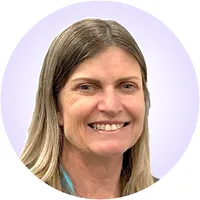
Affiliate Associate Professor Juanita Breen
Aged Care Onsite Pharmacist, Optimal Medication Management and Academic, University of Tasmania
Juanita’s background is a primary care pharmacist. After a decade as a military and community pharmacist she completed a MSc in the UK on medicine decision-making in older people, followed by a doctorate on reducing psychotropic use in RACFs. She now works as an aged care onsite pharmacist.

Ms Emma Shanahan
Proud Palawa Registered Nurse and Clinical Coordinator within the Tasmanian Aboriginal Community Controlled Health Service
Emma Shanahan is a proud Palawa Registered Nurse and Clinical Coordinator within a Tasmanian Aboriginal Community Controlled Health Service. With experience spanning clinical practice, chronic disease management, alcohol and other drug care, clinical leadership, Health Education and Training, and health service improvement, Emma is committed to strengthening culturally safe, equitable and community-led healthcare for Aboriginal and Torres Strait Islander peoples.
Ms Kimberley Grima
Peer Mentor Manager and Facilitator, Chronic Pain Australia
Kimberley is a proud Wiradjuri woman, consumer representative and Peer Mentor Manager and Facilitator at Chronic Pain Australia. She is a Board Member for the Agency for Clinical Innovation and Health Consumer NSW and serves on multiple Illawarra Shoalhaven Local Health District executive steering committees. She is an advocate for lived experience, consumer partnership, codesign and health system improvements.
MedicineInsight: COPD case study
Data plays a crucial role in improving the quality use of medicines and supporting better health outcomes. Dr Lee Fong presented a chronic obstructive pulmonary disease (COPD) case study using insights from MedicineInsight, Australia's largest national primary care data program. Through a real-world example, Lee explored how data can be used to identify opportunities for improvement in medicines use, support evidence-based decision-making, and inform targeted quality improvement initiatives.

Dr Lee Fong
Medical Advisor, Australian Commission on Safety and Quality in Health Care and General Practitioner
Dr Lee Fong is a Medical Advisor for the Commission and general practitioner based in the Hunter region, working in clinical governance, service development, guideline development and advocacy roles. Dr Fong has a particular interest in developing and facilitating connections, collaboration and innovation across healthcare organisations, with the goal of realising system changes that will improve healthcare equity.
- YouTube timestamp: 02:39:30
- Presentation from Dr Lee Fong on MedicineInsight: COPD case study
Using medicines safely and appropriately during medicine shortages
Medicine shortages can present significant challenges for healthcare professionals, health services and patients, requiring careful decision-making to ensure safe and effective care. Dr Marwa Ahmed and Ms Helen Dowling explored the principles of medicines stewardship during times of constrained supply using the intravenous fluids project as a case study. They discussed strategies for prioritising and conserving essential medicines, managing clinical risks, supporting informed decision-making, and maintaining quality patient care. The session highlighted the importance of coordinated action and collaboration between the Commission and the Therapeutic Goods Administration to minimise the impact of shortages and promote the safe and appropriate use of medicines.
- YouTube timestamp: 02:50:26
- Presentation from Dr Marwa Ahmed and Ms Helen Dowling on Medicine Shortages

Dr Marwa Ahmed
Co-Director, Medicine Shortages Section, Therapeutic Goods Administration, Australian Government Department of Health, Disability and Ageing
Dr Marwa Ahmed is the Co-Director of the TGA’s Medicine Shortages Section. She leads work to monitor medicines supply, mitigate the impacts of shortages and coordinate national responses with industry, jurisdictions, health professionals and consumer organisations to support safe, equitable access to medicines.

Ms Helen Dowling
Pharmaceutical Advisor and Project Manager, Medicines Safety and Quality, Australian Commission on Safety and Quality in Health Care
As Pharmaceutical Advisor at the Commission, Helen provides advice on and leads a range of medicines safety-related projects. Helen has extensive hospital pharmacy experience including as Director of Pharmacy at John Hunter Hospital, in Newcastle and Director of Pharmacy Services for Hunter New England (HNE). Immediately prior to joining the Commission, Helen was the CEO for the Society of Hospital Pharmacists of Australia (SHPA) (now known as Advanced Pharmacy Australia). Other roles have included SHPA Federal President and President of the Pharmacy Council of NSW. Helen is a current Director for a not-for-profit organisation and conducts assessment of health services against the National Safety and Quality Health Service (NSQHS) Standards.
Walking Together: Shared Decision Making and Medicines Stewardship for Aboriginal and Torres Strait Islander People
Medicines stewardship is strengthened when care is person-centred, culturally safe, and built on genuine partnership. Mr David Follent explored the importance of shared decision making in supporting the safe and effective use of medicines for Aboriginal and Torres Strait Islander people. Drawing on lived experience and consumer perspectives, he discussed how respectful communication, cultural understanding, and collaboration can empower informed healthcare decisions and improve health outcomes.

Mr David Follent
Acting Associate Director, Aboriginal Health and Wellbeing, NSW Health Agency for Clinical Innovation and Chairperson of the National Association of Aboriginal and Torres Strait Islander Health Workers and Practitioners
David Follent is a proud Bundjalung man, nationally recognised Aboriginal health leader, Senior Atlantic Fellow, Master of Philosophy (MPhil) student at the University of Sydney, and Chairperson of the National Association of Aboriginal and Torres Strait Islander Health Workers and Practitioners. With more than 25 years of experience spanning clinical care, public health, governance, and health system reform, David is a leading voice in Aboriginal Shared Decision Making at the clinician and patient interface and Indigenous-led transformation.
Through his work with the NSW Agency for Clinical Innovation, and his research at the University of Sydney, David is helping shape a future where cultural safety, self-determination, and Aboriginal leadership are embedded across Australia's health systems.
- YouTube timestamp: 03:12:04
- Presentation from Mr David Follent on Shared Decision Making and Medicines Stewardship for Aboriginal and Torres Strait Islander People
Afternoon session
Afternoon session
Watch the afternoon session from the National Medicines Symposium 2026 and explore how digital health, technology and consumer partnerships can support safer medicines use across Australia.
This session explored the opportunities and challenges of digital innovation in medicines stewardship, including artificial intelligence, data-driven improvement, consumer decision-making and improving care for diverse communities.
Watch the full recording of the afternoon and closing sessions for the 2026 National Medicines Symposium
Panel discussion: Exploring digital health tools and technology for medicines stewardship
Digital health technologies are transforming the way medicines are prescribed, monitored, reviewed and managed across the healthcare system. This panel discussion explored the role of digital health tools in supporting medicines stewardship and improving patient outcomes. From electronic prescribing and clinical decision support systems to real-time data analytics and consumer health technologies, the panel discussed opportunities, challenges and emerging innovations that can enhance the safe, effective and quality use of medicines.
- YouTube timestamp: 00:00:27

Mr Daniel McCabe
First Assistant Secretary, Technology Assessment and Access Division, Department of Health, Disability and Ageing
Daniel McCabe is the First Assistant Secretary of the Technology Assessment and Access Division. Daniel is responsible for providing policy advice on access to medicines, devices and other medical technologies through the Pharmaceutical Benefits Scheme (PBS), Medicare Benefits Schedule (MBS), Life Saving Drugs Program (LSDP) and other targeted assistance programs. Daniel previously had policy responsibility for digital health to connect consumers and health care providers with their health information across Australia’s health system. Daniel is also a Board member of the Australian Digital Health Agency.
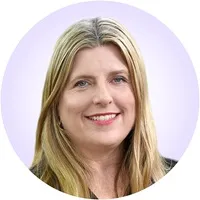
Professor Clair Sullivan
Endocrinologist, Research Leader and Director, Queensland Digital Health Centre, The University of Queensland
Professor Clair Sullivan is an internationally recognised clinical informatician, endocrinologist and research leader. As Director of the Queensland Digital Health Centre, she leads major digital health initiatives, personally securing over $70M in funding. Ranked among the world’s top 1% in Medical Informatics, she drives impactful healthcare transformation.

Associate Professor Shannon Nott
Executive General Manager and Chief Medical Officer, Royal Flying Doctor Service South Eastern Section
Associate Professor Shannon Nott is an experienced Rural Generalist, health executive, and nationally recognised leader in digital health, virtual care, and rural health system innovation. He is currently the Chief Medical Officer and Executive General Manager for Health and Clinical Services at the Royal Flying Doctor Service (South Eastern Section).
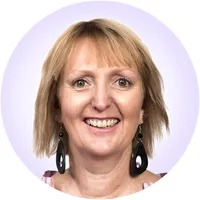
Adjunct Professor Naomi Dobroff
Chief Nursing, Midwifery and Consumer Information Officer, Monash Health and Fellow Australian College of Nursing
Naomi Dobroff is Chief Nursing, Midwifery and Consumer Information Officer at Monash Health. Naomi has a Master of Public Health and is an Adjunct Professor at Deakin and Monash University. She is an Australian College of Nursing Fellow and Chair of their CNIO Faculty with an extensive nursing career.

Mr Richard Taggart
Chief Executive of eHealth NSW and Chief Information Officer for NSW Health
Richard is a transformative digital health leader with over 20 years of ICT experience, combining a clinical background in pharmacy with a proven track record across both public and private healthcare organisations.
Richard commenced in his role as Chief Executive of eHealth NSW and Chief Information Officer NSW Health, on 20 January 2025. He was previously National Director of Digital Health at Calvary Health Care. He has also served as the Chief Information Officer for Sydney Local Health District (2019 – 2023), leading the Digital Health and Innovation team and overseeing major initiatives including the NSW Health Vaccination Centre systems and the RPA Virtual Hospital.
Panel discussion: Challenges and opportunities in medicines stewardship for priority populations
Ensuring the safe and effective use of medicines for all Australians requires approaches that recognise the diverse needs and experiences of priority populations. This panel discussion examined the unique challenges and opportunities in medicines stewardship for groups that may experience health inequities, barriers to care, or increased risk of medicines-related harm. The panel explored strategies to support equitable access to medicines, culturally safe and person-centred care, and meaningful consumer engagement.
- YouTube timestamp: 00:31:26
Dr Jay Ramanathan
Senior Staff Specialist, Clinical Pharmacology and General Medicine, Liverpool and Royal Prince Alfred Hospital
Dr Ramanathan is a consultant physician with a background in clinical pharmacology, geriatrics and general medicine. His interest spans quality use of medicines and pharmacovigilance. He is also a current member of the Australian Prescriber – Therapeutics Guidelines Editorial Advisory Committee and a member of the NSW Clinical Excellence Commission (CEC) Medication Safety and Medicines Formulary Committee.
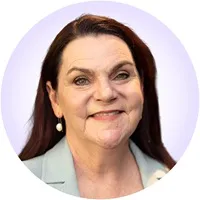
Adjunct Professor Manya Angley
Director, Manya Angley Research and Consulting and Advanced Practice Pharmacist
Adjunct Professor Manya Angley is an Advanced Practice Pharmacist and immediate past President of Pharmaceutical Society or Australia SA/NT Branch. Her research and clinical practice focus on medicines stewardship in general practice, disability and aged care. Her professional expertise is complemented by lived experience having a son and sister with intellectual disability.
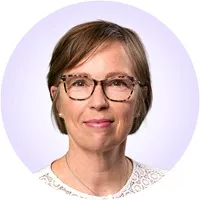
Associate Professor Dianne Crellin
Paediatric Emergency Nurse Practitioner at The University of Melbourne and Royal Children’s Hospital Melbourne and Research Fellow, Murdoch Children’s Research Institute
Di Crellin is a paediatric emergency nurse practitioner, a clinical researcher and a past president of the College of Emergency Nursing Australasia (CENA). Her research focus is acute paediatric pain management. In addition to research, her academic work includes coordination of the nurse practitioner and the designated registered nurse prescriber programs at the University of Melbourne.
Mr David Follent
Acting Associate Director, Aboriginal Health and Wellbeing, NSW Health Agency for Clinical Innovation and Chairperson of the National Association of Aboriginal and Torres Strait Islander Health Workers and Practitioners
David Follent is a proud Bundjalung man, nationally recognised Aboriginal health leader, Senior Atlantic Fellow, Master of Philosophy (MPhil) student at the University of Sydney, and Chairperson of the National Association of Aboriginal and Torres Strait Islander Health Workers and Practitioners. With more than 25 years of experience spanning clinical care, public health, governance, and health system reform, David is a leading voice in Aboriginal Shared Decision Making at the clinician and patient interface and Indigenous-led transformation.
Through his work with the NSW Agency for Clinical Innovation, and his research at the University of Sydney, David is helping shape a future where cultural safety, self-determination, and Aboriginal leadership are embedded across Australia's health systems.

Dr Phoebe Holdenson Kimura
Medical Advisor, Australian Commission on Safety and Quality in Health Care and General Practitioner
Dr Holdenson Kimura is a Medical Advisor for the Commission and a General Practitioner based in Sydney, working in health policy and health professional education. She works clinically at the Hornsby-Brooklyn General Practice Unit and is passionate about promoting equitable and quality primary care.
Closing session
Closing session
Watch the full recording of the closing and afternoon sessions for the 2026 National Medicines Symposium
Closing address

Mr Sankit Lalseta
Director, Medicines Safety and Infection Prevention and Control, Australian Commission on Safety and Quality in Health Care
Sankit Lalseta is Director of Medicines Safety and Infection Prevention and Control at the Australian Commission on Safety and Quality in Health Care. A clinical pharmacist and health leader, he has led medicines safety, clinical governance and quality improvement initiatives at local, state and national levels, driving high-quality care and better patient outcomes.
- YouTube timestamp: 01:03:22
Close with NMS 2026 facilitator
Ms Hediyeh Vahdat
Chief Executive Officer, Linéaire Projects; Senior Clinical Pharmacist, Royal North Shore Hospital; Adjunct Senior Lecturer, UNSW; Senior Academic, University of Sydney
Hediyeh Vahdat is a nationally experienced health executive, pharmacist and academic with more than 25 years’ experience spanning critical care, health system leadership, research and transformation. She is the CEO of Linéaire Projects, a practicing Senior Clinical Pharmacist at the Royal North Shore Hospital, and an academic with the University of Sydney and UNSW.
- YouTube timestamp: 01:06:23
Related resources
Related resources
Several resources have been identified which are relevant for improving the safe and quality use of medicines across the Australian healthcare system.
General
- Antimicrobial Stewardship Resources from the Aged Care Quality and Safety Commission
- 5 moments for medication safety from World Health Organization
- Defining psychotropic medicines in aged and disability care from the Australian Prescriber
- Guiding Principles for Medicines Stewardship Programs from the Council of Australian Therapeutic Advisory Groups (CATAG)
- Medication Management Programs from The Pharmacy Programs Administrator
- Medicines safety improvement from the Clinical Excellence Commission (CEC)
- National Standard for Labelling Dispensed Medicines
- National Standard for User-applied Labelling of Injectable Medicines, Fluids and Lines
- National Mixed-Case Lettering List
- Principles for the safe selection and storage of medicines: Guidance on the principles and survey tool
- Resources for older people from the Aged Care Quality and Safety Commission
- Resources for Opioid Stewardship Implementation (ROSI) by the Australian and New Zealand College of Anaesthetists (ANZCA)
Deprescribing and polypharmacy
- A guide to deprescribing from Primary Health Tasmania
- Australian Deprescribing Network resources for healthcare professionals
- Deprescribing Tools from the NSW Therapeutic Advisory Group (NSW TAG)
Consumer resources
- Ask Share Know
- Australian Charter of Healthcare Rights
- Being involved in decisions about your care
- Decision support tools for consumers
- Informed consent – practical guidance for patients
- Informed consent – practical guidance for substitute decision makers
- Intellectual disability and inclusive health care
- Medication: it’s your choice from Older Person’s Advocacy Network
- Medicine Finder from the Australian Commission on Safety and Quality in Health Care
- Medicine shortages information for consumers from the Therapeutic Goods Administration (TGA)
- Medicines information from Healthdirect Australia
- Medicines line – 1800MEDICARE from Healthdirect Australia
- Partnering with consumers
- Patient Information Leaflet – Sip Til Send
- Understanding health information (health literacy)
- Warfarin dose tracker
Culturally safe and equitable care
- Cultural resources by National Aboriginal Community Controlled Health Organisation
- Finding Your Way: Yarning to make health decisions together
- First Peoples’ Cultural Medicines Hub
- Medicines Advice Initiative Australia
- NACCHO Antimicrobial Stewardship Academy
- Navigating two worlds: developing a learning map to visualise the knowledge and skills required for culturally informed shared decision making with Aboriginal people in New South Wales Australia from the International Journal of Indigenous Health
- Pharmaceutical Society of Australia (PSA) – Medicine Safety: Culturally and Linguistically Diverse Community Care
- Supporting shared decision-making about cardiovascular disease prevention: Yarning with Aboriginal and Torres Strait Islander health workers/practitioners and consumers
- The Heart Health Yarning Tool: Co-Designing a Shared Decision-Making Tool With Aboriginal and Torres Strait Islander People for Cardiovascular Disease Prevention and Risk Management
- Yarning to make health decisions together from the NSW Agency for Clinical Innovation (NSW ACI)
Commission resources
- 2026 National Model for Clinical Governance
- AI Clinical Use Guide – Guidance for clinicians
- Antimicrobial Stewardship Clinical Care Standard
- Antimicrobial Stewardship in Australian Health Care (AMS Book)
- Antimicrobial Use and Resistance in Australia (AURA)
- Artificial Intelligence
- Behaviours of Concern
- Chronic Obstructive Pulmonary Disease Clinical Care Standard
- Chronic obstructive pulmonary disease (COPD) hub
- Cognitive impairment
- Delirium Clinical Care Standard
- Electronic medication management systems
- Fourth Australian Atlas of Healthcare Variation 2021
- High risk medicines and systems resources
- How to use an antibiogram – Information for clinicians
- Infection prevention and control resources
- Informed consent
- Intellectual disability and inclusive health care
- Medication Management at Transitions of Care Stewardship Framework
- Medication without harm – WHO Global Patient Safety Challenge: Australia's response
- MedicineInsight
- Medicines shortages and discontinuations
- My Health Record
- National Safety and Quality Health Service (NSQHS) Clinical Governance Standard
- National Safety and Quality Health Service (NSQHS) Communicating for Safety Standard
- National Safety and Quality Health Service (NSQHS) Medication Safety Standard
- National Safety and Quality Health Service (NSQHS) Partnering with Consumers Standard
- Open disclosure
- Opioid Analgesic Stewardship in Acute Pain Clinical Care Standard
- Patient-reported measures
- Person-centred care
- Practice reflections
- Principles of safe and high-quality transitions of care – Poster
- Principles of safe and high-quality transitions of care – Fact sheet
- Priority Action Status Summary Medication without harm WHO Global Patient Safety Challenge: Australia’s response
- Psychotropic Medicines in Cognitive Disability or Impairment Clinical Care Standard
- Quality use of medicines (QUM) Learning modules
- Safe, appropriate and sustainable use of intravenous fluids
- Shared decision-making
- Specification for a Hospital Cumulative Antibiogram
- Strengthening virtual care quality
- Sustainable healthcare
- Transitions of care
- Venous Thromboembolism Prevention Clinical Care Standard
- What is an antibiogram?
- World AMR Awareness Week (WAAW) resources
Australian Government Department of Health, Disability and Ageing resources
- Accessing medicines during a shortage from the Therapeutic Goods Administration (TGA)
- Cultural safety organisational review tool
- Guiding principles for medication management in the community collection
- Medicine shortage alerts from the Therapeutic Goods Administration (TGA)
- Medicine shortages from the Therapeutic Goods Administration (TGA)
- Medicine shortages information for health professionals from the Therapeutic Goods Administration (TGA)
- National Medicines Policy
More information
For more information, contact NMS@safetyandquality.gov.au